• Home
  • Blog
    • Fiction
  • Lifestyle
    • Beauty & Hair
    • Fashion
  • Parenting
  • Health
  • Education
  • Finance
  • Home
  • Blog
    • Fiction
  • Lifestyle
    • Beauty & Hair
    • Fashion
  • Parenting
  • Health
  • Education
  • Finance
Main LogoLight Logo
Health
by gleefulblogger

What are Cervical Cancer Symptoms, Types, and Prevention

February 1, 2023
1
0
Share

The 4th of February is known as World Cancer Day and January is a cervical cancer awareness month where women should educate and understand the complexity and measures to prevent this cancer. What is Cervical cancer and what are the cervical cancer symptoms, what are the causes, and how to treat cervical cancer. This cancer occurs in the cervix, which is the lower, narrow end of the uterus and connects the uterus to the vagina. Cancer starts in the cell of the cervix. Although there are measures to prevent and resolve this cancer, it’s crucial to understand what it is and how it occurs.

Before we jump into the definitions and prevention of cervical cancer, it’s vital to know cervical cancer is the 4th most common cancer in women, and there are new causes and deaths because of this cancer. One of the only elements responsible for cervical cancer is human papillomavirus (HPV) infection. HPV is spread by sexual activity, and women with HIV are more likely to attract cervical cancer. 

Many people get cervical cancer after sexual activity, and often the individual clears the infection. If appropriately treated and examined effectively, cervical cancer can be cured. Early diagnosis and consistent treatment can help with healing cancer. In this post, we will discuss every element of cervical cancer symptoms, cervical cancer screening, and cervical cancer treatment.

What is Cervical Cancer, and Where Does it Occur?

HPV is one of the most common infections of the reproductive tract. Women with hypersexual activities are more likely to get affected by this viral infection and also can get cured. Women who haven’t been treated for HIV are more likely to attract this infection, and a weak immune system will lead you to this. The exocervix and endocervix are the outer and inner parts of the cervix.

The exocervix, the outer part of the cervix, is covered by thin flat cells known as squamous cells, and the endocervix is the inner part that connects the vagina to the uterus as it forms a canal. The endocervix makes the mucus with column-shaped glandular cells. The transformation zone is where cancer begins in the squamous cells. The transformation zone is the border where the exocervix and endocervix meet.

Most Cervical cancer symptoms occur in squamous cells, which are in the exocervix. There’s another type of cervical cancer known as adenocarcinoma, which develops in the inner part of the cervix where epithelial cells are present. Squamous cell carcinoma and adenocarcinoma are two major types of cervical cancer, and sometimes a person may get mixed cancer which includes both of them. 

Three Types Of Cervical Cancer:

  • Squamous cell carcinomas
  • Adenocarcinomas
  • Adenosquamous carcinomas

Standard Cervical Cancer Symptoms

  • Pain in pelvis
  • Pain during sexual intercourse
  • Menstrual: abnormal menstruation, heavy menstruation, irregular menstruation, or spotting
  • Groin: abnormal vaginal bleeding or abnormal vaginal discharge
  • Also common: fatigue, nausea, or weight loss
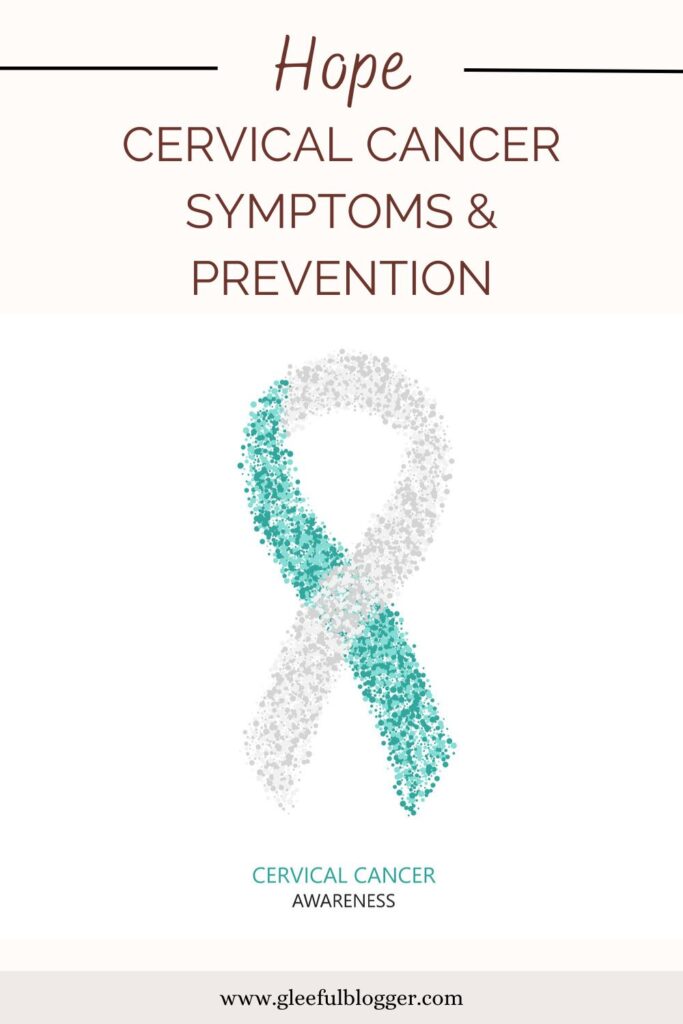
cervical cancer symptoms

Also, learn about the innovative Breast Cancer Treatment, here.

Cervical Cancer Treatment – How To Prevent Cervical Cancer

Women must understand that cervical cancer symptoms can go unnoticed and damage their bodies if they don’t treat it early. Prevention is the only cure for cervical cancer, and to prevent cervical cancer, you can only do two things which are the HPV vaccine and regular testing. Precancerous changes start cervical cancer, and there are different ways to stop them from developing. 

Specific tests for finding cervical cancer

The first prevention tests are to determine the possibility of getting cancer and treating it early. It can help you to detect pre-cancer before it becomes invasive.  Two main tests should be done to find the emergence of cervical cancer symptoms.

  • PAP test
  • HPV test

These tests are done during cervical cancer screening, and it’s one of the only ways to find the pre-cancer. Health professionals use specific tools and practices to remove some cells for testing from the cervix, and when the pre-cancer is detected, it can be treated before the damage starts.

HPV Test for cervical cancer

To look for the infection that can be spread by HPV, the HPV test is conducted. HPV is the only cause of cancer, and doing HPV tests can help you find precancerous cancer of the cervix. If the HPV test is positive, you need to start treating it and get regular visits to health professionals. Your past tests and the overall problem is addressed in the HPV tests, and you need to consult and go through some specific procedures to treat it. 

PAP Test

PAP test is a screening method to collect the cells from the cervix and test them in the lab. PAP test helps with finding cancer and precancer and the PAP test includes a pelvic exam.  A woman should consider doing a PAP test consistently to avoid the emergence of cervical cancer. Your health professional will take you through collecting cells and testing them to address the issue.  Your risk of developing cancer is examined through the tests.  

Methods To Prevent Pre-cancers And Cancers

To prevent cancer, you need to follow up on some regular steps to help cure it. Before it becomes disturbing for your body, you need to consult a health professional who will assist you in curing cancer. Let’s take a look at some habits and practices that you need to eliminate to prevent precancerous cancer.

Limit sexual contact

HPV is infectious, and sexual contact can infect the other person; getting in connection with the infectious area can cause trouble; although it’s not about sex, cancer can be caused by the body to body contact. The infection may go from the cervix to the vagina and the only solution to prevent HPV is to limit your sexual contact, which means avoiding sexual connection with people who had sex with many partners in the past and qualifying your sex partners. 

Use Protection

Using protection while having sex is a vital element in avoiding most infections and cancers. Condoms can protect against HPV, but the condom cannot cover the infected area, and there’s still a possibility of getting cervical cancer. Hence, you need to ensure that you are limiting sexual contact.

Stop Smoking

It’s crucial to work on the prevention and reduction of cancer and if you want to reduce the risk of getting cervical cancer, then avoid smoking.

Verdict

There’s a huge possibility of getting cancer without any symptoms, so it’s crucial to do regular testing to examine. Consulting with a health professional will help you to understand the situation and do treatments on it.

This information is for awareness only. Please consult your doctor for more information on HPV.


Copyright

©Dipika Singh. This article is the property of the site’s author. Any unauthorized use or duplication of this material without express and written permission from this site’s author is strictly prohibited. Excerpts and links used, provided that full and clear credit is given to Dipika Singh (Gleefulblogger). With the right and specific direction to the original content.
cervical cancerHPVworld cancer day
Related Posts
pregnancy test

6 Unusual Early Pregnancy Symptoms Checklist

July 26, 2020
28
0

Every woman considers missed periods and tender breasts as the earliest signs of pregnancy. However, there a whole host of weird pregnancy symptoms that no one tells her about. Here are six very unusual pregnancy symptoms that are perfectly normal.

1. Constipation is an early pregnancy symptom –

Constipation is a weird but one of the most common pregnancy symptoms. It hits you in the early weeks of pregnancy and gets worse as your uterus gets bigger. The symptoms include difficulty having a bowel movement, abdominal pain, and infrequent or hard bowel movements.

Hormonal changes, the iron in your prenatal vitamins, fiber deficiency, and continuously increasing womb pressure are blame for Constipation during pregnancy.

How to control or regulate it –

  • Exercise regularly.
  • Drink plenty of fluids, including 8-10 glasses of water daily.
  • Take iron-free vitamins instead of your prenatal vitamins.
  • Consume at least 25 grams of fiber every day. Eat foods rich in fiber, like peas, beans, prunes, lentils, and whole grains.

2. Nasal Congestion –

When you’re pregnant, you may experience stuffy, runny or bloody nose or even an itchy throat. Also known as pregnancy rhinitis, nasal congestion usually kicks off during the second trimester and lasts throughout your pregnancy.

Rising estrogen levels, extra blood flow, and a lack of moisture in the body cause nasal congestion.

  • Use saline nose sprays
  • Run a cool-mist humidifier in the house
  • Drink plenty of liquids

3. Blurry Vision – Weird but real!

During pregnancy, you may notice your eyesight isn’t as clear as it was before, especially if you’re already suffering from gestational diabetes and preeclampsia.

Don’t worry as vision problems are quite common during pregnancy. They usually take place in the last trimester and go away two months after delivery.

Rising estrogen and progesterone levels, pregnancy hormones, increased fluid pressure inside the eye often leads to unclear vision.

Treat this condition with following tips –

  • Don’t wear contact lenses during pregnancy.
  • Try some eye relaxation exercises.
  • Use pregnancy-friendly eye drops.
  • Wear sunglasses when you step out of your home.
  • Rest your eyes often.
pregnancy symptoms

4. Leg Cramps –

Throughout your pregnancy, you can groan from muscle cramps in your legs or feet. They usually strike suddenly and occur at night, and is known as the most common pregnancy symptom starting early on.

The inadequate blood supply in the calves, calcium/potassium/magnesium deficiency, and overexertion of the leg muscles often cause leg cramps.

Relieve the leg cramps by –

  • Avoid lying on your back.
  • Eat foods rich in calcium, such as milk, cheese, and nuts.
  • Prop your legs up whenever possible. Avoid crossing them.
  • Wear comfy, flat footwear.
  • Gently stretch your leg muscles at bedtime.
  • Take some mild leg exercises daily.
  • Apply a hot water bottle to soothe the pain.

Also, read about how IVF can help you with advanced medical treatments, here.

5. Itching on limbs, or thighs

Stomach itching is also one of the most common pregnancy symptom, but some pregnant women can even experience itchy palms and soles with redness. Fortunately, the itchy feeling usually goes away entirely after delivery.

Blame hormonal changes and stretching the skin for itching during pregnancy.

Soothe your itchy skin by using –

  • A moisturizer to keep your skin soft and hydrated.
  • Take an oatmeal bath.
  • Avoid hot showers and baths.
  • Drink plenty of fluids.
  • Try yogurt skin treatment.
  • Run a cool-mist humidifier in the house.
  • Use mild soaps.
  • Take an oatmeal bath.
  • Avoid wearing clothing made from itchy fabrics.

6. Dizziness –

Many pregnant women feel lightheaded and dizzy. In rare cases, even a healthy pregnant woman can faint during pregnancy. Dizziness usually occurs in the first trimester but can last throughout pregnancy.

Low glucose levels or blood pressure, restricted blood flow, dehydration, and overheating cause dizziness and lightheadedness.

  • Get enough fresh air.
  • Drink plenty of fluids.
  • Take small, frequent meals.
  • Avoid sudden movements.
  • Avoid hot baths or showers.
  • Take iron supplements.
  • Avoid standing or sitting for too long.
  • Don’t overdo exercise.
  • Wear loose, comfortable clothing.
  • Get up slowly from sitting and lying positions.
unusual pregnancy symptoms
Image source – Unsplash

Featured Image Copyright – Google Images.

Disclaimer

The content is not for professional medical advice, diagnosis, or treatment. Always seek the advice of a qualified health provider with any questions you may have regarding a medical condition.

Copyrights

© Dipika Singh. Unauthorized use or duplication of this material without express and written permission from this site’s author is strictly prohibited. Excerpts and links used, provided that full and clear credit is given to Dipika Singh (Gleefulblogger). With the right and specific direction to the original content.

bariatric surgeon in Mumbai

Mumbai’s Best Bariatric Surgeon Dispels some Myths

July 9, 2021
2
0

Weight loss surgery, often known as bariatric surgery, is a therapeutic option for severe obesity that regularly achieves and sustains significant weight loss while also improving health and quality of life. Dr. Harsh Sheth, Mumbai’s best bariatric surgeon with 10 years of experience, will guide all those considering bariatric surgeries in this article. But, according to the doctor, many patients have heard comments from anxious friends or relatives that surgery can fail, is a quick fix or is risky. So, let’s go over some common misunderstandings concerning bariatric surgery.

Myth 1: All people need to do is Eat Less and Exercise more.

Some of the best bariatric surgeons in the country state that obesity is now recognized as a complex disorder involving numerous genetic, biological, metabolic, behavioral, social, economic, and cultural components rather than an issue caused by overeating and a lack of self-control. Yet, despite the research, most individuals, including many medical professionals, continue to consider obese people lazy and lack willpower, according to findings from a nationally representative poll.

When people lose weight just by dieting, their bodies respond by undergoing biochemical changes such as increased appetite and a slowed metabolism. Unfortunately, these biological changes often last a long time, which is why people frequently gain weight after losing it.

Bariatric surgeon in Mumbai

Myth 2: Bariatric Surgery is Risky.

While any surgery has hazards, the risk of death following bariatric surgery is significantly lower than the chance of dying from severe obesity in people who have not undergone surgery. Indeed, the results show up to an 89 percent decrease in death, as well as highly significant reductions in mortality rates related to specific diseases like cancer, diabetes, and heart disease. In addition, you may be able to reduce or stop taking drugs for chronic diseases like diabetes, heart disease, or high blood pressure after bariatric surgery.

Myth 3: Bariatric Surgery will make me Skinny.

Expected weight reduction varies depending on the type of surgery, as well as your beginning weight, age, gender, physical activity, and medical condition, according to Dr. Harsh Sheth, one of Mumbai’s best bariatric surgeons. 

You’ll lose 30–65 percent of your excess body weight on average, but making long-term modifications to your food and exercise routine can help you drop more. Improved health, lifestyle modifications, mobility, and quality of life are critical to our bariatric team. If you or your family and friends define success as achieving a certain weight or size of clothing, this may not be a realistic goal. However, based on where your journey began, you could end up with a body mass index that remains in the overweight zone and still be considered a success. 

The majority of weight loss occurs in the first year after surgery, and you may recover a modest amount of weight before stabilizing. Patients may regain weight following surgery if they do not maintain proper eating habits and exercise regularly.

Myth 4: Weight loss and bariatric surgery will make me happy and improve my Relationships.

While losing weight can improve one’s quality of life, it is not a magic wand for happiness or resolving personal concerns. Also, if friends and family do not embrace lifestyle changes brought on by bariatric surgery, it can strain relationships. Throughout the process, these topics are acknowledged, and family participation is encouraged.

Myth 5: Bariatric surgery will prevent me from Overeating.

Mumbai's Best Bariatric Surgeon
bariatric surgery in Mumbai

Bariatric surgery can temporarily alter brain biochemistry, reducing sugar cravings and making sweets less gratifying after surgery. However, not everyone experiences this, and bariatric surgery will not cure binge eating, bulimia, or compulsive/emotional overeating disorders. Before admission to the program, eating problems are assessed and, in some cases, treated while preparing for surgery. Suppose eating has become a coping method for you. In that case, you must change your ways of coping before surgery, or you risk restarting unhealthy behaviors and gaining weight, as well as developing depression or anxiety difficulties.

Myth 6: Bariatric Surgery is a Quick fix.

“Anyone who thinks this is an easy way out should know what we go through,” says one of Dr. Harsh Sheth’s patients, one of Mumbai’s best bariatric surgeons. If you are considering this treatment, you should plan on spending four to six months preparing. After that, multiple assessments and meetings with doctors, a dietician, and an exercise physiologist are required. 

Following surgery, you must adhere to a daily regulated routine for food and fluid intake, continue to exercise and make other lifestyle adjustments, and seek outside assistance. The majority of patients say their biggest regret is not having this operation done sooner. It’s gratifying to hear patients say they have more energy to interact with their children and grandchildren, more confidence to participate in social activities, the ability to shop for clothes in a regular store, and that they don’t feel dread or panic every time they go somewhere because they might not be able to find a chair that fits them or someone will make a cruel remark.

When combined with a dedication to a healthier lifestyle, bariatric surgery not only results in long-term weight loss but also improves many people’s health and quality of life.

Also, read about the pregnancy checklist, here.

Disclaimer

The content is not for professional medical advice, diagnosis, or treatment. Always seek the advice of a qualified health provider with any questions you may have regarding a medical condition.

Copyright

©Dipika Singh. This article is the property of the site’s author. Any unauthorized use or duplication of this material without express and written permission from this site’s author is strictly prohibited. Excerpts and links are used, provided that full and clear credit is given to Dipika Singh (Gleefulblogger). With the right and specific direction to the original content.

1 Comment
    Innovations In Breast Cancer Treatment – Personalized Approach says: Reply
    September 5th 2023, 5:18 pm

    […] Also, if you wish to read about cervical cancer, here. […]

Leave a Reply Cancel reply

Your email address will not be published. Required fields are marked *

About Me

Hey there, I'm Dipika! Welcome to Gleefulblogger, my little corner of the internet where I love to share my thoughts and experiences on life, fashion, health, mindfulness, and all the things that bring joy to my parenting journey. Thank you for being here.

Recent Posts

  • perfect workout routine
    5 Tips for Developing a Safe and Healthy Workout of the Day
    by gleefulblogger / September 13, 2023
  • dark romantic story
    The Secret Crush – Last Chapter
    by gleefulblogger / September 10, 2023
  • romantic fiction
    The Secret Crush – Part 5
    by gleefulblogger / September 8, 2023

Categories

  • Beauty & Hair
  • Blog
  • Culture
  • Design
  • Education
  • Entertainment
  • Fashion
  • Fiction
  • Finance
  • Health
  • Lifestyle
  • Mental Health
  • Parenting
  • Popular
  • Slider
  • Tech
  • Uncategorized

Tags

A2Zchallenge blogchatter blogchattera2z blogchatterhalfmarathon blogging challenge bloggingchallenge child development Child Education education fashion fiction flashfiction fridayfotofiction gleefulblogger gleefulparenting Happiness happyliving Health home decor horror Kids learning Life Lifestyle Lovestory man mentalhealth myfriendalexa nature Parenting photo portrait positive parenting romance romantic fiction sea shortfiction shortstory sky story writebravely writetribe writetribeproblogger writingchallenge zee5
benefits of vitamin c 8 Extraordinary Benefits of Vitamin C for the Skinby gleefulblogger / January 29, 2023
Little Time To Love - StoryTellersBlogHopby gleefulblogger / February 8, 2023short love story

Stay In Touch

Subscribe to Our Newsletter & Get Latest Updates.

    About

    Welcome to Gleefulblogger! India’s Top Lifestyle and Parenting Blog!

    • Facebook
    • Twitter
    • Instagram

    Contact Us

    Please connect with us on contact@gleefulblogger.com

    About Us

    Contact Us

    Privacy Policy

    © 2023 Gleefulblogger . All rights reserved.