• Home
  • Blog
    • Fiction
  • Lifestyle
    • Beauty & Hair
    • Fashion
  • Parenting
  • Health
  • Education
  • Finance
  • Home
  • Blog
    • Fiction
  • Lifestyle
    • Beauty & Hair
    • Fashion
  • Parenting
  • Health
  • Education
  • Finance
Main LogoLight Logo
Health
by gleefulblogger

Parkinson’s Disease and the Treatments Available

July 25, 2021
1
0
Share

Parkinson’s disease is a progressive nervous system disorder that affects movement and currently has no specific cure, but the right treatment may ease to out. Symptoms start gradually, sometimes starting with a barely noticeable tremor in just one hand. Tremors are common, but the disorder also commonly causes stiffness or slowing of movement according to Mayo Clinic.

Each person with Parkinson’s disease has their own unique set of symptoms. Parkinson’s disease does not affect everyone in the same way. It’s possible that your symptoms don’t appear in the same order as others’. Some people may experience moderate symptoms while others may experience severe symptoms. The rate at which symptoms worsen varies from person to person and is difficult, if not impossible, to anticipate from the onset. The treatment method also differs according to the symptoms of the disease.

In this article, Dr. Mohana Rao will be discussing the treatments available at the best neurosurgery hospital in Guntur. But before going into the treatment part it is crucial to understand the stages of the disease as the treatment also depends upon the progression of the disease.

What are the Stages of Parkinson’s Disease-

Parkinson's disease treatment

The disease progresses from an early stage to a mid-stage to a late-stage to an advanced stage in general. Following are the stages of Parkinson’s disease explained by the best neurosurgeons in India:

Early stages

Parkinson’s disease symptoms are often moderate, develop slowly, and do not interfere with daily activities. Early symptoms are sometimes difficult to identify, or you may mistake them for natural indicators of aging. You may experience weariness or a general feeling of unease. You might experience a little tremor or have trouble standing.

Some of the subtle indicators are often picked up by a family member or friend before you are aware of them. Body rigidity or lack of typical mobility (no arm swing when walking), slow or small handwriting, lack of expression in your face, or trouble getting out of a chair are all characteristics they may observe.

Middle stage

Symptoms begin to worsen in the middle stage. Both sides of the body may now be affected by tremors, muscle stiffness, and mobility issues. Falls and balance issues are becoming increasingly widespread. You may still be completely autonomous, but daily actions such as bathing and dressing get more difficult to do and take a longer time.

Middle to late stage

Standing and walking become more difficult, and a walker may be required. To remain at home, you may require full-time assistance.

Advanced stage

You are now confined to a wheelchair or are bedridden. It’s possible that you’ll have hallucinations or delusions. You now require round-the-clock nursing assistance.

Treatment of Parkinson’s disease –

Surgical Treatment

There is no way to cure Parkinson’s disease with surgery (PD). Surgical procedures, on the other hand, may help certain patients with Parkinson’s disease symptoms. Surgical methods for Parkinson’s disease are usually considered when all other options, such as medications, have been exhausted. Surgery is typically used to address motor symptoms of Parkinson’s disease that have already improved with levodopa therapy. Surgical techniques for patients with PD used to be aimed at destroying specific regions of the brain in order to alleviate symptoms. Pallidotomy, thalamotomy, and subthalamotomy are examples of these techniques. These operations, however, come with significant dangers, including the threat of death.

Deep Brain Stimulation (DBS)
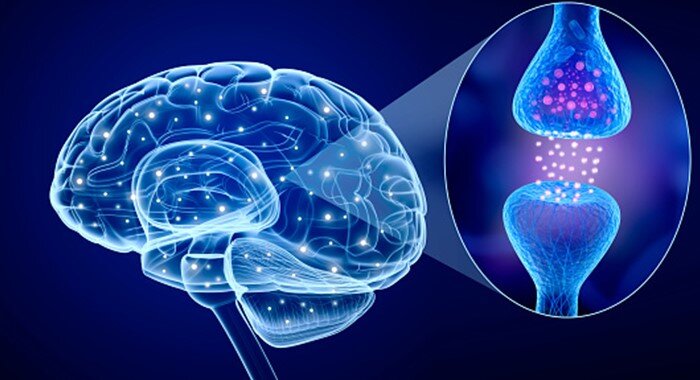
Parkinson's disease

Deep brain stimulation (DBS) is now the most prevalent operation for Parkinson’s disease. DBS is less risky since it disrupts electrical signals in the brain instead of destroying tissue.

Deep brain stimulation is a process in which a device is placed in the person’s brain and electrical pulses are delivered to the brain to reduce motor symptoms of Parkinson’s disease. The electrical pulses are directed at the parts of the brain that control movement, obstructing faulty signals that cause tremors. The thalamus, subthalamus, and globus pallidus are all possible targets in the brain. 2 DBS is ineffective in treating balance problems, freezing while walking, or non-motor PD symptoms. DBS is not indicated for persons with dementia since it can exacerbate cognition or memory issues.

Pallidotomy

Pallidotomies are no longer often performed. However, a person with advanced Parkinson’s disease who has acquired severe motor fluctuations like dyskinesia (uncontrolled, irregular movements) as a result of long-term levodopa medication may be a candidate for surgery. Pallidotomy may be used to treat people who have severe or disabling motor symptoms (such as tremor, stiffness, or bradykinesia) that are no longer managed by medication.

The globus pallidus, a region of the brain, is destroyed during a pallidotomy. The globus pallidus is quite active in persons with Parkinson’s disease. The activity in this part of the brain is reduced when a scar is created, which may help with motor symptoms including tremor and rigidity. The globus pallidus is located utilizing brain scans such as magnetic resonance imaging before surgery (MRI).

Thalamotomy

Thalamotomies are no longer often performed. The operation, on the other hand, may be used to treat severe tremors on one side of the body that are unresponsive to medication.

The thalamus, a region of the brain, is destroyed during a thalamotomy. Tremors may be relieved by damaging the thalamus. The left side of the body is affected by surgery on the right side of the brain, and the right side of the body is affected by surgery on the left side of the body. Thalamotomy is a surgical procedure that is conducted on the side of the brain opposite the person’s motor symptoms. Before surgery, brain scans such as MRI or computed tomography (CT) are utilized to detect the thalamus.

Subthalamotomy

Subthalamotomies are no longer performed on a regular basis. The subthalamic nucleus, a small region of the brain, is destroyed during a subthalamotomy. Tremor, stiffness, and bradykinesia are some of the motor signs of Parkinson’s disease.

A subthalamotomy is usually performed on only one side of the brain. When it is done on both sides of the brain, the risks are considerably raised. Before surgery, brain scans such as MRI or CT are performed to detect the subthalamus.

So, these are types of treatments given to Parkinson’s disease patients. Hope you will share the treatment with your friends and family for creating awareness.

Disclaimer

The content is not for professional medical advice, diagnosis, or treatment. Always seek the advice of a qualified health provider with any questions you may have regarding a medical condition.

Copyright

©Dipika Singh. This article is the property of the site’s author. Any unauthorized use or duplication of this material without express and written permission from this site’s author is strictly prohibited. Excerpts and links are used, provided that full and clear credit is given to Dipika Singh (Gleefulblogger). With the right and specific direction to the original content.

Healthparkinson'disease
Related Posts
handling teenage aggression

Teenage Aggression: How to Deal With Angry Pre-Teens & Teens

August 28, 2021
1
0

Parenting a teenager or pre-teens is not easy. You may even think they are savages or aliens from outer space, but the fact remains that they are just wired differently at that age! Think about how you were as a teen?

I remember the grief I put my parents through (especially my mom!!) when I was a teen. Thinking back on that brings a smile to my face (and despair on my mom’s) Even after all this time… LOL!!

“Mothers of Teenagers Know Why Animals Eat Their Young.”

– Anonymous

Like all parents, my mum spent days and nights worrying about where I am, what I am doing, and who I am with. All because I failed to communicate properly with her because I was too angry or upset about something she said or did. Not to mention the external stressors, like falling expectations, peer pressure, friend issues, and what not!

Are you a parent to an aggressive and rebellious teen? Believe me when I say that it’s just a phase, and you will get through, eventually!!

Why are teenagers or this age is so aggressive?

Parenting a teen can be just as hard as being a teen…

You may wonder how your happy, obedient, and thoughtful baby has suddenly started arguing, screaming, and slamming doors at your face. Not only that, they have grown physically too. I get it… it is stressful. But you need to consider all things they are going through as well.

A teenager goes through a lot of changes, both physical and chemical. Their bodies are changing, and they are going through a lot of hormonal changes.

Moreover, this is the stage, teenagers begin to reassess their role both within society and their families. They seek to find out who they are and establish their separate identities. In the process, they get influenced by their surroundings, be it friends, acquaintances, or even their parents.

These factors put together result in a confused and flustered teen, and they are more prone to anger or aggressive outbursts as that is the only way to vent out or channelize their frustration. To top it all, teenagers also find themselves under intense pressure to do well in school too.

It’s no wonder teenagers are so cranky and moody!

Anger Vs. Aggression

Anger is a very normal, healthy emotion. We all feel anger at some point in our lives, but how different are anger and aggression? Simply put, anger is a feeling or emotion, and aggression is the behavior or action taken in anger. It could be hostile, destructive, or violent.

So, it is perfectly okay to get angry; however, aggressive behavior is not.

As a parent, you need to teach your child the difference between angry feelings and aggressive behavior. Teenagers need to understand that it is not alright to break objects, slam doors, or make threats just to get their way. As these could lead to severe consequences later on.

Teenage Aggression: A phase or a problem?

handling teenage aggression
Photo by Isaiah Rustad on Unsplash

As a teen, I used to feel like I was carrying the entire world’s burden on my shoulders. My parent’s expectations for me to do well in my studies, the biological and chemical changes, the constant need to establish an identity for myself, and the need to keep up with my friends had me reeling at times! Leading me to be rebellious and defiant with the only person I could vent to… my mom!

There was a lot of shouting, eye-rolls, slamming doors, and whatnot… but years later, I understand that it’s just a phase (although a lot of arguments and eye-rolls happen even now!)

Back to the topic in hand…

With so much pressure around teens, it is only natural that they lash out with anger and defiance. And if this is not kept in check, these anger issues can lead to self-harm, violence, illegal activities like taking drugs or alcohol. Like all people are different, even teenagers have different emotional regulation capacities and maturity levels.

Let us look at some of the possible reasons why teenagers feel angry:

  • Low self-esteem
  • Peer pressure and constant bullying
  • Familial conflicts
  • Oppression
  • Puberty
  • Trauma
  • Addiction or abuse
  • Death of a loved one
  • Mental health issues

Coping with Adolescent Aggression

Did you know that one in five teens has anger management issues?

While anger is a normal emotion and it is okay to be angry but the issue here the how teens choose to vent it out — they can either assertively express their anger in a productive way without making threats or causing any harm or resort to more aggressive or passive methods.

If left unchecked, aggression (both active and passive) can lead to serious health issues.

Teenagers who tend to keep their anger holed up within them can suffer from constant headaches, shaking or trembling, stomach aches, sleeping issues, and more.

The others who vent out their anger in a more aggressive way may end up getting into physical fights, vandalism, and drugs. All these can eventually lead to legal issues and severe mental issues. Depression is the leading cause of teenage suicide; if it is left untreated.

Thankfully, there are many ways to effectively manage and control teenage aggression.

1. Seek out help from a professional

It would be best to consult a counselor, therapist, or other mental health professionals if you see any red flags.

Focus on your child’s needs rather than playing the blame game, as this will help them connect with you on a more emotional and social level.

And you need to offer constant support and care to improve the relationship between the two of you. It may be difficult at first but certainly not an impossible task if you keep at it!

2. Establish stronger connections

As a parent, you need to start a healthy conversation around the age and its complications well in advance. No, waiting the last moment of addressing the issue in hand. Start well in advance, when you see the changes have started showing up in the body as well as the psyche.

Your teenager will make an effort to understand where you are coming from only if you try from your end. Listen to them without any judgment and be a friend to them to realize that you value them and understand them.

Try and find common ground between the two of you — something that both of you will enjoy doing together.

3. Give them the space they require

If you are angry, the first thing your mind and body seek would be some me-time aka space.

Your teenager is angry, it would be best to let them cool off rather than demanding apologies or getting angry yourself or nagging as it would only anger them further. Do not push them to the end and create a mountain out of the mole, wait till the things are cooled down, and then start the most needed conversation.

4. Set out some basic rules and consequences

As a parent, you can set up some basic rules and discipline, also the punitive actions for following them. Let your teenager know what can happen if these rules are not followed.

Also, give them rewards and appreciate them if they do well. After all, every teenager seeks acceptance and attention from their parents. Remember, they are still babies seeking your attention, love, understanding inside their growing bodies.

5. Introduce meditation and other relaxation techniques

Yoga, meditation, and several relaxation techniques can help teenagers cope with stress and anger. Performing these techniques with your teen can help you connect with them and manage your feelings more effectively.

handling teenage aggression

Parting Thought: Teenage Aggression would not last forever

Speak to your child and support them in their endeavors. It is important that they understand that you would be there for them no matter what. Encourage them to speak to you and come to you for any trouble, and do not hesitate to take professional help should the need arise.

Eventually, your teen will overcome their problems and mature into a happy and healthy young adult.


This post is part of the CauseAChatter Initiative by BlogChatter.‘

To read the previous posts from the challenge, click here.

Copyright

©Dipika Singh. This article is the property of the site’s author. Any unauthorized use or duplication of this material without express and written permission from this site’s author is strictly prohibited. Excerpts and links are used, provided that full and clear credit is given to Dipika Singh (Gleefulblogger). With the right and specific direction to the original content.

Diabetic Foot Issues & Treatment

Diabetic Foot Issues – Causes and Treatment

July 26, 2021
1
0

Diabetes occurs when the blood glucose of your body, also called blood sugar, is too high. Blood glucose is also the main source of energy and comes from the food you eat. When you have diabetes, having too much glucose in your blood for an extended period can lead to severe issues, such as foot difficulties. In this article, we will discuss, Diabetic Foot Issues.

Dr. Ayush, the finest diabetologist in Ghaziabad, would like to explain many topics linked to foot ailments in this article.

What effects does Diabetes have on my Feet?

Diabetes can result in two issues that affect your feet:

1.     Diabetic neuropathy: You may not feel heat, cold, or discomfort in your legs and feet if your nerves are injured. “Sensory diabetic neuropathy” is the term for this loss of sensation. Diabetic neuropathy is a condition that occurs as a result of diabetes. As neuropathy prevents you from feeling a cut or sore on your foot, the wound may worsen and get infected. Because nerves to the muscles are injured, the muscles in your foot may not perform correctly. This may cause your foot to become misaligned and put too much weight on one portion of your foot.

2.     Peripheral vascular disease:  Diabetes also has an impact on blood flow. It takes longer for a sore or cut to heal if there isn’t enough blood flow. “Peripheral vascular disease” refers to poor blood flow in the arms and legs. You’re in danger of getting ulcers or gangrene if you have an infection that won’t cure due to insufficient blood flow (tissue death due to a lack of blood).

What are some of the Most Common Diabetic Foot Issues?

The foot problems listed below can affect anyone. However, these common foot problems can lead to infection and significant complications, such as amputation, in persons with diabetes.

1. Athlete’s foot:

The athlete’s foot is a fungus that causes itching, redness, and cracking, according to Dr. Ayush, a well-known diabetologist who treats his patients in Ghaziabad. Germs can enter your skin through cracks and create an infection. Athletes’ feet can be treated with medications that kill the fungus. These medications are available as tablets or lotions.

2. Calluses:

Calluses is another one of the most common diabetic foot issues, a callus is a hardening of the skin underneath the foot. The uneven distribution of weight causes calluses. Ill-fitting shoes or a skin condition can also cause calluses. Because calluses are common on foot, your doctor will determine whether or not your callus is giving you concerns. If you have a callus, take excellent care of it. Use a pumice stone to remove the built-up tissue after your bath or shower gently. In your shoes, use cushioned pads and insoles. Calluses can be softened with medication. DO NOT attempt to cut or remove the callus with a sharp object.

diabetic foot issues
Image Sourced

3. Corns – Most common Diabetic Foot Issues:

A corn is a complex skin build-up near a toe’s bony area or between toes. Corns can develop due to pressure from shoes rubbing on your toes or causing friction between them. Make sure you take adequate care of them. Use a pumice stone to remove the built-up tissue after your bath or shower gently. To dissolve corns, do not use over-the-counter treatments. DO NOT use a sharp item to cut or remove the corn.

4. Blisters:

When your shoes rub the exact location on your foot, blisters can occur. Blisters can be caused by wearing shoes that don’t fit properly or wearing shoes without socks, which can become infected. It’s crucial not to “pop” blisters when treating them. The blister is protected from infection by the skin that covers it. To preserve the skin and prevent infection, apply an antibacterial lotion and clean, soft bandages.

5. Dry skin:

Dry skin can crack, allowing pathogens to enter the body. To keep your skin moisturized and supple, use moisturizing soaps and lotions. Inquire with your doctor about which ones to utilize.

6. Diabetic ulcers:

diabetic foot ulcers

A foot ulcer is a deep sore or a rupture in the skin. They have the potential to become contaminated. Foot ulcers can be caused by tiny scratches, slow-healing cuts, or the rubbing of poorly fitting shoes. It’s critical to address them as quickly as possible. Inquire with your doctor about the best way to treat your ulcer. According to Ghaziabad’s favorite diabetologist, up to 10% of diabetics will get foot ulcers.

7. Hammertoes:

A hammertoe is a bending of the toe due to a weaker muscle. The tendons in your toe shorten due to the weaker muscle, causing your toe to curl beneath your foot. Hammertoes can be passed down over generations. Overly short shoes can also cause them. Hammertoes can make walking difficult and create blisters, calluses, and ulcers. They can be treated with splints and corrected shoes. In severe circumstances, surgery to straighten your toes may be required.

8. Plantar warts:

Plantar warts resemble calluses on the ball or heel of the foot. In the middle, they may appear to have small pinholes or tiny black patches. Warts can grow alone or in clusters and are frequently unpleasant. A virus affects the outer layer of skin on the soles of the feet, causing plantar warts. Allow your doctor to determine whether you have a plantar wart or a callus. They can be removed in a variety of ways.

These are some of the most commonly known diabetic foot issues, consult your physician or the best diabetologist near you for the right guidance and treatment.

Disclaimer

The content is not for professional medical advice, diagnosis, or treatment. Always seek the advice of a qualified health provider with any questions you may have regarding a medical condition.

Copyright

©Dipika Singh. This article is the property of the site’s author. Any unauthorized use or duplication of this material without express and written permission from this site’s author is strictly prohibited. Excerpts and links are used, provided that full and clear credit is given to Dipika Singh (Gleefulblogger). With the right and specific direction to the original content.

1 Comment
    mary belinda says: Reply
    November 24th 2021, 5:04 pm

    My husband was diagnosed of Parkinsons disease 2 years ago, when he was 59. He had a stooped posture, tremors, right arm does not move and also a pulsating feeling in his body. He was placed on Senemet for 8 months and then Siferol was introduced and replaced the Senemet, during this time span he was also diagnosed with dementia. He started having hallucinations, lost touch with. Suspecting it was the medication I took him off the Siferol (with the doctor’s knowledge)  him on PD natural herbal formula we ordered from TREE OF LIFE HEALTH CLINIC, his symptoms totally declined over a 3 weeks use of the TREE OF LIFE HEALTH Parkinson’s disease natural herbal formula. He is now  almost 61 and doing very well, the disease is totally reversed!  (w w w. treeoflifeherbalclinic .com)

Leave a Reply Cancel reply

Your email address will not be published. Required fields are marked *

About Me

Hey there, I'm Dipika! Welcome to Gleefulblogger, my little corner of the internet where I love to share my thoughts and experiences on life, fashion, health, mindfulness, and all the things that bring joy to my parenting journey. Thank you for being here.

Recent Posts

  • perfect workout routine
    5 Tips for Developing a Safe and Healthy Workout of the Day
    by gleefulblogger / September 13, 2023
  • dark romantic story
    The Secret Crush – Last Chapter
    by gleefulblogger / September 10, 2023
  • romantic fiction
    The Secret Crush – Part 5
    by gleefulblogger / September 8, 2023

Categories

  • Beauty & Hair
  • Blog
  • Culture
  • Design
  • Education
  • Entertainment
  • Fashion
  • Fiction
  • Finance
  • Health
  • Lifestyle
  • Mental Health
  • Parenting
  • Popular
  • Slider
  • Tech
  • Uncategorized

Tags

A2Zchallenge blogchatter blogchattera2z blogchatterhalfmarathon blogging challenge bloggingchallenge child development Child Education education fashion fiction flashfiction fridayfotofiction gleefulblogger gleefulparenting Happiness happyliving Health home decor horror Kids learning Life Lifestyle Lovestory man mentalhealth myfriendalexa nature Parenting photo portrait positive parenting romance romantic fiction sea shortfiction shortstory sky story writebravely writetribe writetribeproblogger writingchallenge zee5
IVF in Ahmedabad In Vitro Fertilization Guide by Best IVF Centre in Ahmedabadby gleefulblogger / July 25, 2021
Diabetic Foot Issues - Causes and Treatmentby gleefulblogger / July 26, 2021Diabetic Foot Issues & Treatment

Stay In Touch

Subscribe to Our Newsletter & Get Latest Updates.

    About

    Welcome to Gleefulblogger! India’s Top Lifestyle and Parenting Blog!

    • Facebook
    • Twitter
    • Instagram

    Contact Us

    Please connect with us on contact@gleefulblogger.com

    About Us

    Contact Us

    Privacy Policy

    © 2023 Gleefulblogger . All rights reserved.